Between Sessions
Therapy doesn’t just happen in session. Here we share thoughts, reflections, and practical guidance to support you as you navigate emotions, relationships, and life’s more challenging moments.

Understanding Attachment Styles: How Your Relationships Are Shaped (and How They Can Change)
Have you ever found yourself wondering why you react the way you do in relationships—why closeness feels easy one moment and overwhelming the next, or why reassurance sometimes never quite feels like enough? You’re not alone. Much of this comes back to something called attachment.

End of An Era but The Start of an Age
Years are just one method of noticing the passage of time. Maybe your 2024 contained several eras or maybe this year feels like just one part of a bigger “era” in your life.
We’re grateful for opportunities to contribute to conversations about mental health, relationships, and emotional well-being in our broader community.
Conversation in the Community

Scientists Uncover a Major Biological Clue Behind Anorexia Relapse
The findings aren’t entirely new, but they “build on existing research in a meaningful way,” says Erin Birely, LCPC, a counselor who specializes in disordered eating and alumni services coordinator at The Renfrew Center.
Safety First: Tackling Tough Topics with Teens: Understanding Eating Disorders Among Youth
In this episode, Amanda talks with Erin Birely, LCPC, about disordered eating among adolescents. They discuss the various types of eating disorders, the role of emotional avoidance, and biopsychosocial risk factors.

BloomTV: A fine line between getting healthy and disordered eating
Amber Freeman, host of Bloom, chatted with Erin Birely, LCPC to discuss the impact of social media on body image and practical ways to build a healthier relationship with food.
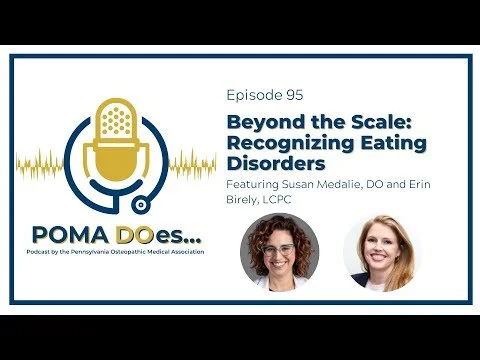
POMA DOes Podcast Beyond the Scale: Recognizing Eating Disorders
In this episode of POMA DOes…, Susan Medalie, DO, speaks with Erin Birely, LCPC, about recognizing and addressing eating disorders. They discuss why eating disorders can’t be identified by appearance alone, the behaviors and misconceptions that are sometimes overlooked, and the importance of approaching these conversations with compassion and curiosity.